
The short answer
Delaware does not have a separate state law specifically governing emotional support animal letters. Instead, housing requests are generally covered by the federal Fair Housing Act and Delaware Code Title 6, Section 4603A. Eligible renters can request a reasonable accommodation supported by appropriate documentation from a health professional when needed.
At a glance
- ESA-specific state law:
- No separate Delaware ESA letter law.
- Housing protection:
- Federal Fair Housing Act and Delaware Fair Housing Act.
- Clinician requirements:
- No specific state ESA letter format or mandatory waiting period.
- Pet deposits:
- Delaware law limits pet deposits and provides an exemption for certain trained support animals.
- Misrepresentation penalties:
- The supplied reference states that proposed Senate Bill 219 did not pass.
- Fair housing agency:
- Delaware Division of Human and Civil Rights.
- Filing deadline:
- Generally one year for an administrative complaint and two years for a lawsuit, subject to applicable legal rules.
The Delaware rules in plain terms
Delaware’s Fair Housing Act addresses discrimination involving reasonable accommodations in housing. Under Section 4603A, refusing a reasonable accommodation that may be necessary for a person with a disability to use and enjoy their home can constitute discrimination.
For eligible renters, this may include a request to keep an emotional support animal in a rental property with a no-pets policy. Each request is considered according to the circumstances, applicable law, and supporting information.
Delaware does not set a special 30-day relationship requirement for ESA letters. When a disability or the need for an accommodation is not obvious, a housing provider may request reliable documentation establishing the disability-related need. An ESA letter for housing should reflect a genuine evaluation and the professional’s clinical judgment.
What a housing accommodation request needs
A clear request can help your landlord understand why you need an accommodation. Keep these points in mind:
- A disability-related need: The request should explain that the accommodation is connected to a disability.
- A direct request: Contact your landlord or property manager in writing.
- Appropriate documentation: If requested and legally permitted, provide reliable information from a qualified health professional.
- A reasonable accommodation: The request must be assessed under applicable housing laws and the circumstances of your case.
- Clear communication: Keep copies of your request and any responses, and follow up if you do not receive an answer.
An ESA letter does not automatically guarantee approval in every situation. Housing providers may consider legally valid exceptions, such as an individualized assessment of a direct threat that cannot be reduced through reasonable measures.
From Wilmington to Delaware’s beach towns
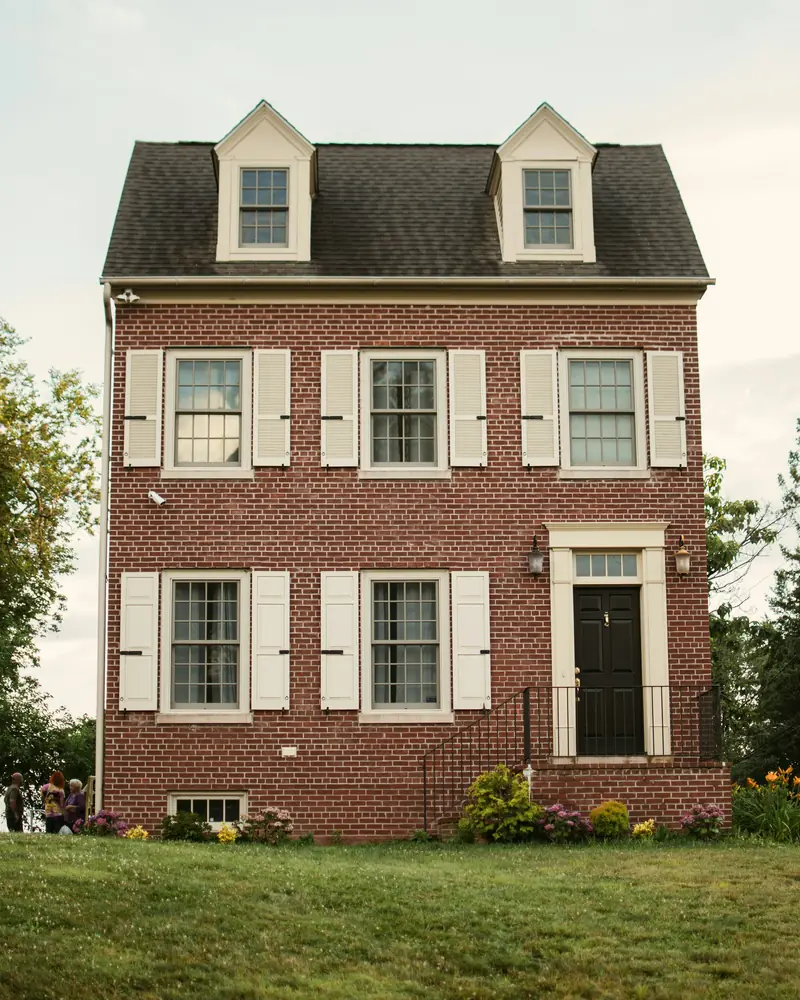
Renters in Wilmington may live in older rowhouses or apartments with strict pet policies. Providing a clear written request and appropriate documentation can help explain why an accommodation is needed.
In Newark, students renting off-campus houses may encounter landlords with no-pets clauses. Students living in university-managed housing should check the institution’s accommodation process as well.
Along the coast, including Rehoboth Beach and Lewes, renters may deal with seasonal rental arrangements. If possible, review your accommodation needs before signing a lease and keep the discussion with your housing provider in writing.
Find out if an ESA letter fits your housing needs
GetPetESA offers a free assessment to help determine whether an emotional support animal letter may be appropriate for your situation. A qualified clinician reviews the assessment and decides whether issuing a letter is clinically appropriate. Completing the assessment does not guarantee approval.
Getting your letter from a Delaware licensed clinician
Start with the free assessment
Answer questions about how your symptoms affect your daily life and housing needs.
Review your options
If you choose to continue, review the available pricing before proceeding.
Complete the clinical evaluation
A clinician reviews your responses and determines whether an ESA letter is appropriate. Approval is never automatic.
Receive your letter if approved
If the clinician determines that a letter is appropriate, you will receive the documentation according to the service’s process.
Submit your housing request
Give your landlord the letter with a written accommodation request. Our guide on how to give your landlord an ESA letter can help you prepare.
Delaware’s fair housing agency
The Delaware Division of Human and Civil Rights handles housing discrimination complaints under state law. If your landlord refuses to consider a reasonable accommodation, you can contact the Division to learn about your options.
Keep copies of your ESA documentation, emails, letters, and other relevant communications. The reference material identifies a one-year period for administrative complaints and a two-year period for lawsuits; deadlines and exceptions can depend on the circumstances.
Pet deposits under Delaware law
Delaware’s landlord-tenant code addresses pet deposits under 25 Del. C. § 5514. The supplied reference states that pet deposits are capped at one month’s rent and that the law exempts certain trained support animals from pet deposits.
An emotional support animal is not necessarily a trained service animal. If you are requesting an accommodation for an ESA, explain your request to the landlord and ask how the applicable law affects pet deposits, pet fees, or pet rent in your situation.
You remain responsible for damage caused by your animal where the law allows the landlord to recover those costs.
Service dogs and emotional support animals
A psychiatric service dog is trained to perform specific tasks related to a person’s disability. An emotional support animal provides comfort or emotional support but does not need task training to serve that role.
Their legal protections differ. Service animals may have public-access rights under applicable disability laws, while emotional support animals generally rely on housing accommodation protections. For more information, visit our psychiatric service dog letter page.
Questions people ask
1. Does Delaware require an ESA letter from a Delaware clinician?
The supplied reference identifies no state law requiring a specific Delaware clinician or letter format. However, documentation from an appropriately qualified professional who understands your circumstances can help support a housing request.
2. Can my landlord charge a pet deposit for my emotional support animal?
Delaware law includes specific rules for pet deposits and certain trained support animals. Because an ESA may be treated differently from a trained service animal under particular provisions, explain your accommodation request and check how the law applies to your situation.
3. Do I need to register my emotional support animal in Delaware?
No state registration is identified in the supplied reference as a requirement for an ESA housing request. Instead, eligible renters generally rely on appropriate documentation supporting their disability-related need for an accommodation.
4. What should I do if my landlord denies my request?
Ask for the reason in writing and keep copies of all communication. You can contact the Delaware Division of Human and Civil Rights to learn about complaint procedures and deadlines. The outcome depends on the facts and applicable law.
5. Can I use an ESA letter in student housing near the University of Delaware?
Private off-campus rentals may be covered by fair housing laws. University-managed housing may have its own accommodation process, so contact the housing office and review our guide to ESAs in college housing.
Keep reading
Ready when you are
Start with a free assessment to explore whether an emotional support animal letter may be appropriate for your housing needs. A clinician reviews your information, and a letter is issued only when clinically appropriate.