
A valid request should be supported by appropriate documentation based on an actual evaluation by a qualified mental health professional. Whether you live in Charlotte, Raleigh, Durham, or Greensboro, understanding your housing rights can help you navigate the process.
The short answer
North Carolina has no specific statute regulating ESA letters or requiring a 30-day relationship with a clinician. The federal Fair Housing Act and North Carolina's State Fair Housing Act may protect eligible renters who need an assistance animal because of a disability. A clinician's documentation can support a housing accommodation request, but approval depends on the circumstances and applicable law.
At a glance
- ESA-specific state law
- North Carolina has no enacted law specifically regulating emotional support animal letters.
- State fair housing law
- The State Fair Housing Act includes protections related to reasonable accommodations for people with disabilities.
- Clinician requirement
- Documentation should come from a qualified professional who can appropriately evaluate your circumstances.
- Waiting period
- North Carolina has no specific ESA law requiring a 30-day clinician relationship.
- Pet fees or deposits
- Eligible renters may request an accommodation from pet-related rules and charges. Approval is not automatic.
- Misrepresentation penalty
- State law penalizes falsely representing an animal as a trained service animal.
- Fair housing agency
- The North Carolina Human Relations Commission handles housing discrimination complaints under state law.
The bill that did not become law
In 2019, North Carolina House Bill 796 proposed rules for emotional support animals. The bill included requirements related to professional documentation and attempted to address the sale and misuse of ESA letters. Although it passed the House, it did not complete the legislative process and did not become law.
As a result, the proposed requirements should not be treated as current North Carolina ESA law. Housing accommodation requests are generally considered under applicable fair housing protections rather than a state statute dedicated specifically to emotional support animal letters.
A reliable letter should reflect a genuine evaluation rather than simply the purchase of a certificate or registration. Renters should understand the difference between appropriate clinical documentation and documents that may not establish a disability-related need.
Which North Carolina law covers what
| Law | What it means for renters |
|---|---|
| North Carolina State Fair Housing Act | Provides protections against certain housing discrimination and addresses reasonable accommodation requests. |
| Federal Fair Housing Act | May require housing providers to make reasonable accommodations for eligible people with disabilities. |
| North Carolina service animal statutes | Address trained service animals, which are different from emotional support animals. |
| State housing complaint process | Gives eligible individuals a process for raising concerns about possible housing discrimination. |
Charlotte, the Triangle and the HOA question
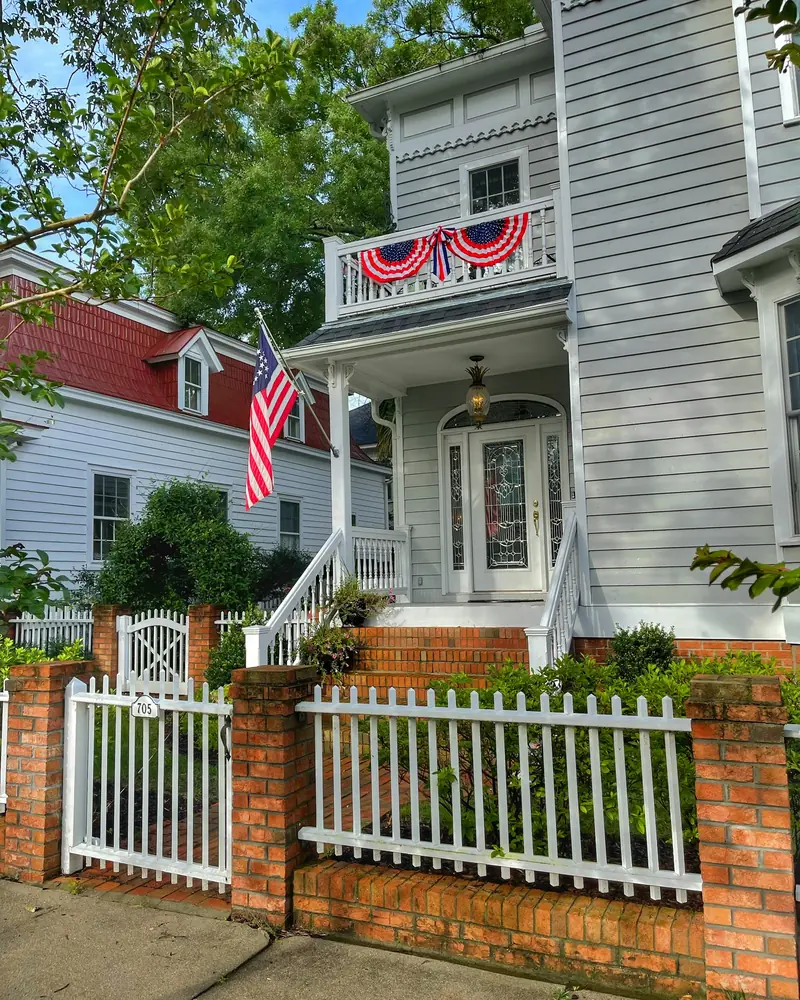
Renters in Charlotte and nearby communities, including Matthews and Huntersville, may live in properties governed by homeowners association rules. If an HOA's pet restrictions affect your housing accommodation, you may need to contact both the property manager and the association to understand their procedures.
In Raleigh, Durham, and Chapel Hill, renters in private apartments and university housing may face different application processes. Students should contact their institution's housing or disability services office to confirm its documentation requirements and deadlines.
In Greensboro, Winston-Salem, and Fayetteville, the same general distinction applies: an ordinary pet policy is not the same as a decision about a disability-related accommodation. If you need an animal for emotional support, submit your request clearly and provide appropriate supporting documentation.
How to get a letter in North Carolina
1. Take the free assessment
Answer questions about your circumstances, symptoms, housing situation, and animal. The assessment helps organize the information needed for an evaluation.
2. Review the price before proceeding
GetPetESA lists its pricing before payment. An ESA letter for one animal is $99, while two or three animals cost $129, according to the service information provided.
3. Have your assessment reviewed
A qualified clinician reviews your information and determines whether an emotional support animal may be appropriate based on your circumstances. Completing an assessment does not guarantee that a letter will be issued.
4. Receive your letter if approved
If the clinician determines that documentation is appropriate, you may receive your North Carolina ESA letter by email as a PDF. Keep a copy available for your housing accommodation request.
Where to file a housing complaint
The North Carolina Human Relations Commission handles complaints involving possible violations of the State Fair Housing Act. If a housing provider refuses to consider an accommodation you believe is protected, you can review the state's complaint process to understand your options.
North Carolina Human Relations Commission
What it handles: Housing discrimination complaints under state fair housing law.
Phone: (984) 236-1914
Before filing a complaint, keep copies of your accommodation request, supporting documents, and communications with your landlord or property manager. Filing deadlines may apply, so seek guidance promptly if you believe discrimination has occurred.
An emotional support animal is not a service animal
An emotional support animal (ESA) provides emotional support related to a person's needs, while a service animal is trained to perform specific tasks for a person with a disability. The two categories have different legal protections.
An ESA letter does not automatically give an animal access to every public place. Do not represent an untrained emotional support animal as a trained service animal. For housing, focus on the applicable accommodation process and provide documentation when required.
Questions people ask
1. Is there a North Carolina emotional support animal law?
North Carolina does not have a specific enacted statute regulating ESA letters. Eligible housing requests may be covered by federal and state fair housing protections.
2. Can my landlord charge pet rent for an ESA?
You may request a reasonable accommodation from pet-related fees and restrictions when applicable fair housing law covers your situation. Approval depends on the circumstances and relevant legal requirements.
3. Does my HOA have to consider an ESA request?
An HOA may have obligations under applicable fair housing law when its rules affect a person's housing. Submit your request and supporting documentation, and ask the association to explain its accommodation process.
4. Does North Carolina register emotional support animals?
There is no state ESA registration that automatically establishes housing rights. A purchased registration or certificate is not a substitute for appropriate documentation supporting a disability-related accommodation request.
5. How quickly can I get an ESA letter in North Carolina?
The state does not impose a specific 30-day waiting period for ESA letters. Processing time depends on the clinician's evaluation and whether the clinician determines that issuing a letter is appropriate.
Keep reading
Ready when you are
If you believe an emotional support animal may help with your disability-related needs, start with the free assessment. Review the information and pricing before deciding whether to proceed.