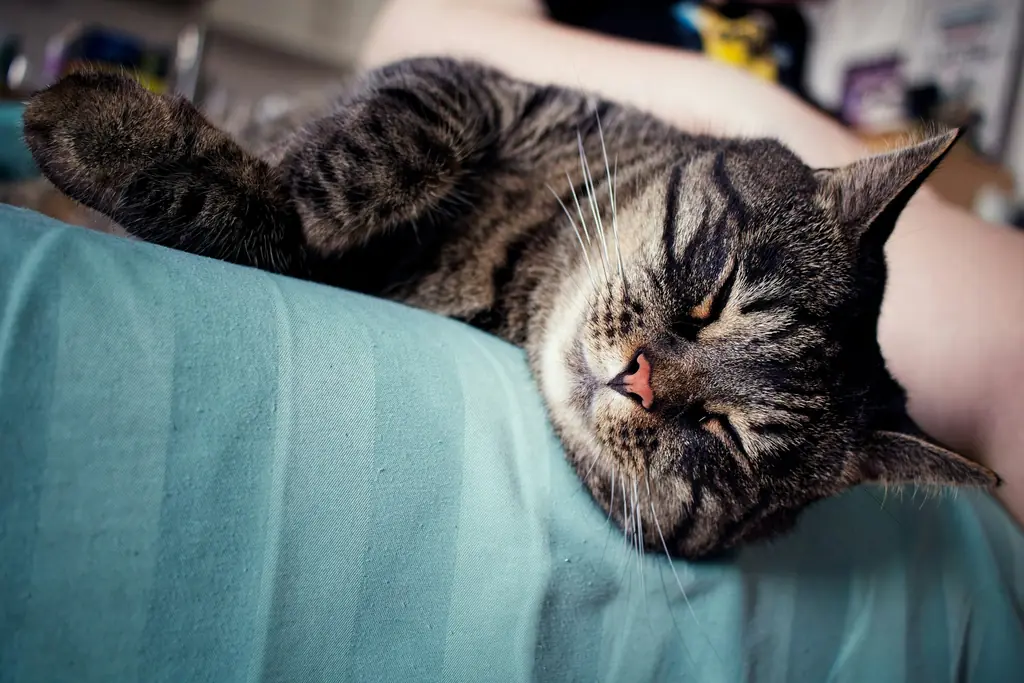
Housing law treats an emotional support cat much like an emotional support dog. Outside the home, the picture changes: the ADA and airline rules cover dogs only, so a cat's protection lives almost entirely in your lease.
This guide covers what that means in 2026, how the letter should identify your cat, and the cat specific questions landlords ask about litter, scratching, allergies and more than one cat.
Yes. A cat can be an emotional support animal in housing when a licensed clinician finds that you have a disability and that the cat helps with it. The letter should name the cat and the support it provides. Cats cannot be ADA service animals or fly as service animals, and since May 2026 cat requests rely mainly on landlords' judgment and state law.
Yes, a cat can be an emotional support animal
The Fair Housing Act's accommodation rule does not limit the species of animal (42 U.S.C. 3604(f)(3)(B)). If a clinician finds that you have a disability and that your cat eases its symptoms, you can ask your housing provider to waive a no pets rule or pet limits for that cat. Many state laws use the same open definition.
The limits are outside the home. The ADA defines a service animal as a dog, so a cat cannot be a service animal in stores or restaurants (28 CFR 36.104). The Department of Transportation's rule also covers dogs only, so a cat flies under the airline's pet policy, usually in a carrier under the seat for a fee.
Since May 22, 2026, HUD's fair housing office pursues charges only for animals trained to provide disability related assistance. Its memo notes that a trained animal of another species could qualify, but few cats are task trained. For a cat, the strongest footing is now your landlord's own decision and your state's law. California, Colorado, Maryland, Massachusetts, New York City and Pennsylvania have said ESAs stay protected, and states such as Florida, Illinois, Utah and Virginia protect them by statute.
How the letter should name your cat
The letter is about you and your need, but it must make clear which animal it covers. A landlord can ask about the need for each animal.
- The species, "a domestic cat," so nobody assumes the letter is about a dog
- Your cat's name, and a short description such as color or breed if you like
- A sentence linking this cat to your disability, for example that the cat's presence and routine reduce symptoms that limit sleep or daily functioning
- If you have two or three cats, a statement of need for each one; Florida (760.27(2)(d)) and Montana (70-24-114(3)) let providers ask about each animal
- The clinician's license type, number and state, and the date issued
- No diagnosis, no medical records, and no promise about the cat's behavior that the clinician cannot know
Get a letter that names your cat
Tell us about your cat in the free assessment. A clinician licensed in your state reviews your answers and decides, and the letter covers one cat for $99 or two to three for $129.
Cat questions landlords ask, and fair answers
A landlord may ask reasonable questions about the animal. Here is what tends to come up with cats.
| Question | Can they ask? | A fair answer |
|---|---|---|
| Is the cat litter trained? | Yes, it goes to sanitation | Yes, and describe where the box goes and how often you clean it |
| Is the cat vaccinated and licensed? | Yes, many states allow proof | Send the rabies certificate and any city license |
| Is the cat spayed or neutered? | Often asked; it bears on spraying and odor | Answer honestly and describe how you prevent marking |
| Will the cat be declawed? | They can ask, but they should not make it a condition | No; offer scratching posts, nail caps and liability for damage |
| Will the cat go outside or into hallways? | Yes, reasonable conduct rules can apply | Indoor only, carried or leashed in common areas |
| Why do you need a second cat? | Yes, if the need is not obvious | Point to the clinician's statement for each cat |
| What is your diagnosis? | No | Decline politely; the letter states that a disability exists |
Scratching, litter and damage: what you owe

An accommodation does not shift the cost of damage onto the landlord. Florida (760.27(4)), Iowa (216.8B(8)), Utah (26B-6-803) and Illinois (310 ILCS 120/10(f)) all say the tenant pays for damage the animal causes. Expect to cover clawed carpet, chewed blinds or urine damage the same way any tenant would at move out.
Prevent it instead. Put a tall sisal post near the couch and a flat scratcher near the door, trim nails every two weeks or use soft nail caps, and keep the box in an easy to clean spot, scooped daily. Photograph the unit at move in so normal wear is not billed as cat damage.
Do not accept declawing as a condition. It is surgery with lasting effects, New York bans it except for therapeutic purposes (Agriculture and Markets Law 381), and other states and cities restrict it. Offer a damage plan instead.
Asking for your cat in a no pets building
Get the letter before you sign or move
In California, Arkansas, Iowa, Louisiana and Montana, allow at least 30 days for the clinician relationship. Elsewhere, two weeks usually covers the evaluation and the landlord's reply.
Send a short written request
Ask for an exception to the pet rule for your named cat as a disability accommodation, attach the letter, and offer verification. Our landlord letter guide has an email script.
Answer the cat questions up front
Include the vaccination record and a sentence on litter, indoor living and scratching. Most denials for cats are about damage and odor, so address them before the landlord asks.
Ask about fees in the same message
Several states bar pet fees for assistance animals; see our pet fees guide. Ask in writing whether pet rent and the pet deposit will be waived.
Wait for a written answer
Keep the cat with a friend or family member if you can until you have approval, and save every message.
Two cats, allergies and the 30 day states
Worked example. A renter in Chicago has two cats and a building that allows one. Her clinician's letter explains the need for each cat. Under Illinois law the building may not charge a pet deposit, pet fee or special insurance for an assistance animal (310 ILCS 120/10(f)), so the second cat should not add pet rent once the request is approved.
Allergies. If a neighbor or roommate is allergic, the provider has to balance two disability needs, often by assigning units, improving air filtration or keeping the cat out of shared spaces. An allergy elsewhere in the building is rarely enough reason to deny outright.
30 day states. California's and Arkansas's documentation statutes are written about emotional support dogs, while Louisiana's and Montana's cover support animals generally. We apply the 30 day rule to every letter in those states, cats included, so your letter meets the strictest reading.
Your cat is not a service animal anywhere outside housing
Do not put a service vest on your cat or ask a store, restaurant or airline to treat it as a service animal. Federal rules cover dogs only, and many states penalize misrepresenting a service animal. Your letter supports a housing request, and that is where an emotional support cat's protection lives.
Questions people ask
Can my landlord limit me to one emotional support cat?
A landlord can ask about the need for each animal and decide each request on its facts. If your clinician explains why each cat helps with your disability, a one cat limit written for pets is not by itself a lawful reason to refuse the second. Space, sanitation and the animals' behavior can matter, so describe how you care for both.
Can a landlord charge pet rent for an emotional support cat?
It depends on your state. Illinois, Kentucky, Virginia, Utah, Minnesota, Maine and others bar pet fees or deposits for assistance animals by statute, and California's Civil Rights Department says no pet deposit or pet rent for ESAs. In states without such a rule, ask in writing for the fee to be waived. You always remain responsible for real damage.
Does my emotional support cat need a vest, tag or registration?
No. No official registry for emotional support animals exists, and vests or certificates have no legal effect. What a landlord may reasonably want is proof of rabies vaccination and any license your city requires for cats. A collar tag with your phone number is still a good idea if your cat ever slips out the door.
Can I bring my emotional support cat on a plane for free?
No. Under the 2021 Department of Transportation rule, only dogs trained to perform tasks qualify as service animals on flights. Airlines treat emotional support cats as pets, which usually means an approved carrier under the seat and a pet fee. Check the airline's pet policy and book early, since many flights cap the number of pets in the cabin.
Can a landlord deny my cat because another tenant is allergic?
Rarely on that alone. Both tenants may have disability needs, and the provider is expected to look for a way to meet both, such as different units, air filtration or keeping the cat out of shared areas. A denial is more likely to hold up if no workable arrangement exists. Ask the landlord in writing what options they considered.
Is a cat a good choice as an emotional support animal?
For many people, yes. Cats suit apartments, keep a steady routine and are less likely to run into weight limits or breed lists. Whether a cat helps with your disability is a clinical question for your clinician. If you do not yet have a cat, think about allergies in your household, your lease and your budget for food, litter and vet care first.
Sources
- Fair Housing Act, 42 U.S.C. 3604
- 28 CFR 36.104, ADA definition of service animal (dogs only)
- 14 CFR part 382, air travel for passengers with disabilities
- HUD FHEO enforcement memorandum on animal accommodations, May 22, 2026 (signed copy)
- California Civil Rights Department, housing rights and emotional support animals
- Illinois Assistance Animal Integrity Act, 310 ILCS 120
- Florida Statutes 760.27, emotional support animals
- New York Agriculture and Markets Law 381, declawing ban
Updated October 9, 2026. This page is general information, not legal advice.